Top Wabi Sabi Interior Design Ideas for Singapore HDB Flats
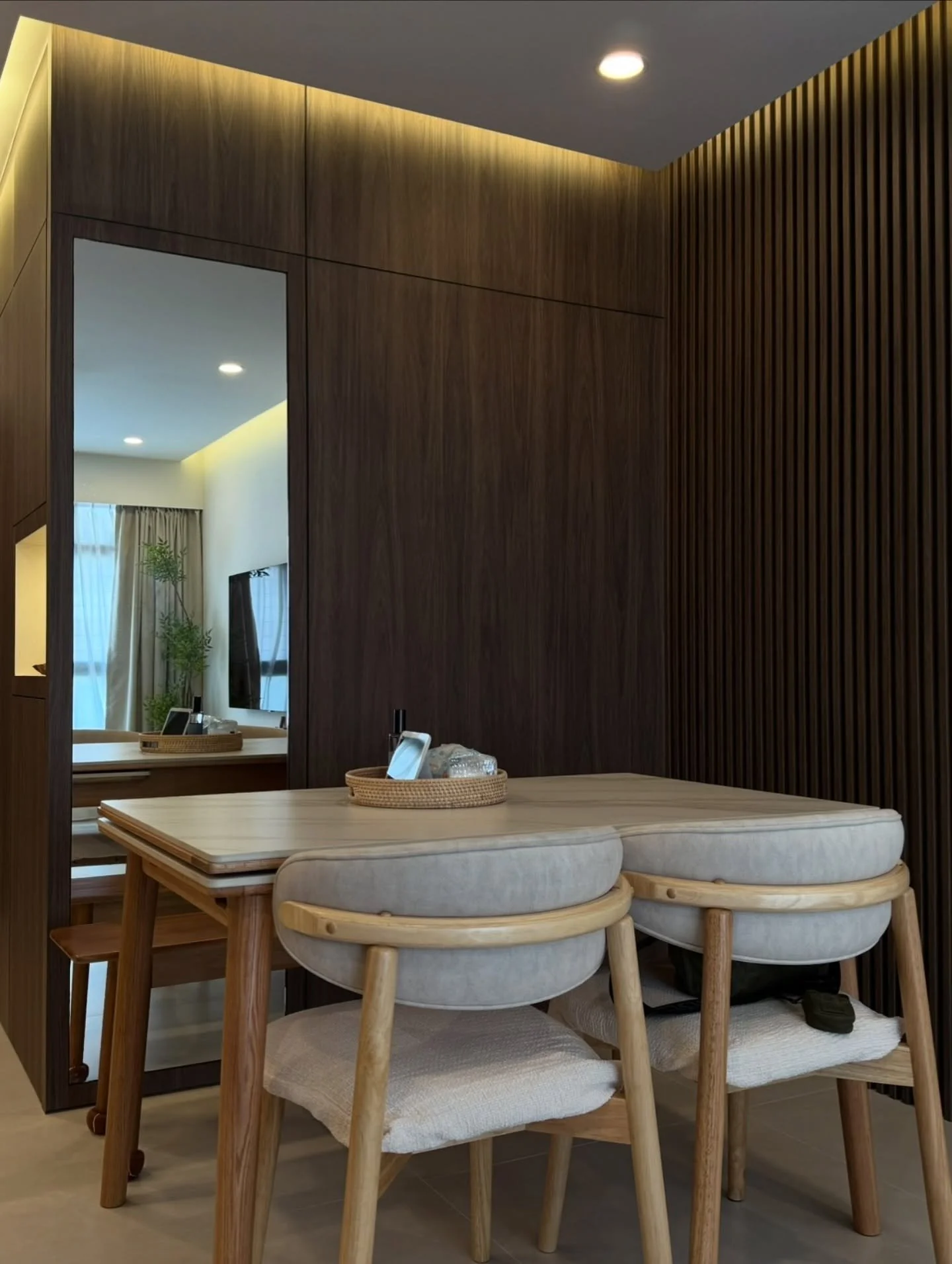
Some homes have enough space for everything, while others don’t. And in compact spaces like HDB flats, simplicity and authenticity can transform your home into a calming space.
What is Wabi Sabi Interior Design?
Wabi Sabi interior design is a Japanese-inspired design philosophy that embraces the beauty of simplicity, natural imperfections, and the passage of time. It focuses on creating calm and authentic living spaces using natural materials such as wood, stone, linen, and clay. Characterized by minimalist aesthetics, organic textures, and handcrafted elements, Wabi Sabi celebrates individuality and timeless beauty, making it ideal for creating warm, inviting, and harmonious interiors.
Wabi sabi interior design celebrates imperfection, natural textures, and understated beauty. That’s why it is ideal for Singapore living. Here are the top interior design ideas to guide you:
Why Wabi Sabi Interior Design is Popular in Singapore?
Wabi Sabi has found a particularly strong following in Singapore, and it's not hard to see why.
It counters visual clutter. Singapore flats are compact, and city life is fast and stimulus-heavy. A Wabi Sabi interior offers a visual and mental reset — a home that feels like a pause button rather than another source of noise.
It suits smaller HDB layouts. Wabi Sabi's emphasis on minimal furniture and open space naturally works with the space constraints of a 3- or 4-room HDB flat, where every square foot needs to earn its place.
It ages well — literally. Unlike ultra-glossy finishes that show every scratch, materials like limewash, raw timber, and rattan are designed to develop character over time. For homeowners who don't want to renovate again in five years, this is a practical advantage as much as an aesthetic one.
It resonates with a broader cultural shift. Singaporeans are increasingly drawn to slow living, sustainability, and mindful consumption. Wabi Sabi's philosophy of "less but better" aligns closely with these values, making it feel less like a trend and more like a lifestyle choice.
It photographs beautifully in Singapore's natural light. With good window coverage and the right materials, Wabi Sabi interiors respond beautifully to Singapore's strong daylight, creating soft shadows and warm textures throughout the day.
Top Wabi Sabi Interior Design Ideas for HDB Flats
Natural Materials
Wabi Sabi starts with what a space is made of. Prioritise timber, rattan, stone, linen, clay, and cotton over synthetic or high-gloss alternatives. In an HDB context, this might mean solid or engineered timber flooring instead of laminate with a plastic sheen, rattan pendant lights instead of chrome fixtures, or a stone-topped console instead of acrylic. These materials carry natural variation — grain, texture, and subtle colour shifts — that give a room depth without any extra decoration.
Minimal Furniture
Wabi Sabi isn't about empty rooms — it's about intentional ones. Choose fewer, well-made pieces over a fully furnished look. A single substantial timber coffee table often does more for a room than three coordinated side tables. This approach also suits HDB space limits, keeping walkways clear and rooms feeling open rather than packed.
Textured Finishes
Texture replaces pattern as the main source of visual interest. Limewash or microcement walls, boucle upholstery, raw linen curtains, and unglazed ceramics all add tactile depth. In a flat where wall space is limited, even a single textured feature wall can shift the entire feel of a room.
Handmade Decor Pieces
Mass-produced, perfectly symmetrical objects work against the Wabi Sabi spirit. Hand-thrown pottery, woven baskets, hand-carved wooden bowls, and artisan textiles bring in the slight irregularities that make a space feel personal rather than staged. These pieces don't need to be expensive — a single well-chosen vase from a local ceramicist can anchor an entire shelf.
Keep a Minimal Yet Functional Layout
Wabi Sabi embraces simplicity and intentional living. Opt for a minimalist layout by decluttering your space and selecting furniture that is both beautiful and practical. Clean lines, open spaces, and multi-functional pieces can make smaller HDB flats feel larger and more serene. By focusing on quality over quantity, you can create a peaceful environment that promotes relaxation and everyday comfort.
Blend with Japandi Interior Design Influences
Many Singapore homeowners are combining Wabi Sabi with Japandi interior design to achieve a sophisticated and contemporary look. Japandi blends Japanese minimalism with Scandinavian functionality, resulting in interiors that feel cosy, elegant, and highly practical. Soft neutral colour palettes, natural materials, and thoughtfully designed furniture work seamlessly with the Wabi Sabi philosophy, making this fusion style particularly popular in modern Singapore homes.
Embrace Earthy and Neutral Colour Palettes
Earthy tones such as beige, taupe, warm greys, and muted greens are essential in creating a Wabi Sabi-inspired home. These colours evoke a sense of tranquillity and allow natural materials and textures to take centre stage. A neutral palette also helps maximise natural light and makes compact HDB spaces feel more open and harmonious.
Maximise Natural Light
Natural light plays an important role in Wabi Sabi interior design. Where possible, keep window treatments simple to allow sunlight to brighten your living spaces. Soft, natural lighting enhances the beauty of organic materials and creates a soothing ambience throughout your home. Pairing natural light with warm ambient lighting can further enhance the cosy and inviting atmosphere of your HDB flat.
Wabi Sabi vs Japandi Interior Design
These two styles are often confused because they share a love of natural materials and restraint, but they come from different design instincts.
Wabi Sabi leans into imperfection and rawness. Surfaces can be uneven, edges can be rough, and the overall feeling is rustic and organic. It prioritises emotional warmth and authenticity over precision.
Japandi, a blend of Japanese minimalism and Scandinavian functionality, is more structured. It still uses natural materials and a muted palette, but the finishes are cleaner, the lines are straighter, and there's a stronger emphasis on function and tidiness.
In short: Wabi Sabi says "let it be imperfect." Japandi says "keep it simple and functional." Many Singapore homeowners actually land somewhere between the two — borrowing Japandi's practicality for a small flat while keeping Wabi Sabi's textures and warmth.
Why Choose Vector Creative?
Designing a genuine Wabi Sabi home in a Singapore HDB flat takes more than a mood board — it requires knowing how natural materials perform in our climate, how to source authentic handmade pieces locally, and how to balance minimalist aesthetics with the storage and functionality that everyday life demands.
At Vector Creative, our designers work closely with homeowners to translate the Wabi Sabi philosophy into spaces that are genuinely liveable — not just photogenic. From material selection and space planning to custom carpentry and lighting design, we handle every detail so your flat feels calm, considered, and unmistakably yours.
Transform Your HDB into a Calm Sanctuary with Vector Creative
Vector Creative specialises in crafting timeless interiors tailored to Singapore homes. If you’re inspired to bring wabi-sabi interior design into your HDB flat, our team can curate a balanced, nature-inspired space that reflects your lifestyle. Connect with us today to start designing a home that feels effortlessly serene and uniquely yours.